


- August 6, 2026
Australia’s Move Towards Smarter Home Energy Storage
Discover how solar batteries are transforming Australian homes by storing solar energy, improving energy management and supporting smarter home power.
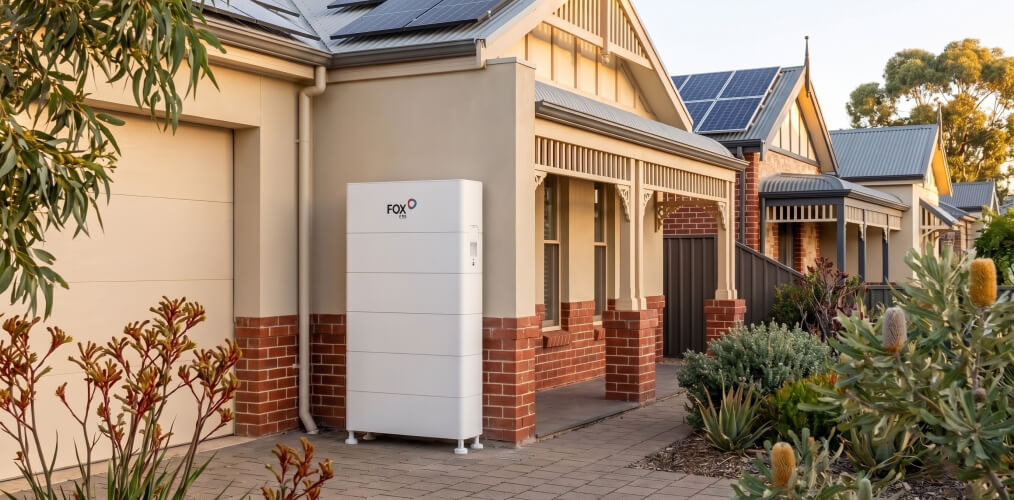
Australia’s Move Towards Smarter Home Energy Storage
Australia’s energy landscape is changing rapidly. Rooftop solar has already become a familiar sight across Australian suburbs, but the next stage of this transformation is increasingly focused on how that solar energy is stored and used.
As more households generate electricity during the day, home batteries are becoming an important part of a smarter energy system. Instead of relying only on solar generation while the sun is shining, homeowners can store excess solar energy and use it later when their household needs it most.
This shift is helping move Australian homes towards a more flexible, efficient and better-managed approach to energy.
From Solar Generation to Energy Storage
Solar panels are excellent at generating electricity during daylight hours. However, household energy consumption does not always follow the same pattern.
Many homes use more electricity later in the day and during the evening, when solar generation is declining or has stopped. A home battery can bridge this gap by storing surplus solar energy during the day and making it available later.
The Australian Government explains that batteries can increase solar self-consumption and reduce a property's reliance on electricity from the grid.
This makes energy storage an important next step for homeowners who want to get more practical use from their solar system.
Why Battery Storage Is Becoming More Important in Australia
Australia is experiencing a significant shift in the way electricity is generated and consumed.
According to the Australian Energy Market Operator's Q1 2026 data, renewables supplied 46.5% of National Electricity Market generation during the March quarter, the highest first-quarter share recorded. Batteries also played a growing role in moving daytime renewable energy into the evening period.
This highlights an important change: the conversation is no longer just about generating more renewable energy. It is increasingly about storing that energy and making it available when it is needed.
For Australian households, this creates an opportunity to think beyond simply installing solar panels and consider how energy can be managed throughout the entire day.
What Makes a Home Battery Smart?
A modern home battery is more than a box that stores electricity.
Today's energy storage systems can work alongside solar panels, inverters, monitoring platforms, and other household energy technologies. Depending on the system, homeowners can monitor energy production, battery charging, and household consumption through digital platforms.
Smart energy management can help households understand:
- How much solar energy their home is producing
- How much electricity the household is consuming
- When the battery is charging
- When stored energy is being used
- How much energy is being supplied by solar and battery storage
- How the system is performing over time
This visibility gives homeowners greater awareness of where their energy is coming from and how it is being used.
The Rise of Connected Home Energy
The move towards smarter energy storage is also part of a broader development in Australia's consumer energy resources.
In August 2026, Australia's Energy and Climate Change Ministerial Council highlighted interoperability requirements for newer consumer energy resources, including solar inverters, home batteries and electric vehicle chargers. The aim is to establish common functionality so different energy technologies can work more effectively within Australia's evolving energy system.
This points towards a future where household energy technologies are increasingly connected rather than operating as isolated devices.
Solar panels generate energy. Batteries store it. Smart controls help manage it. Other technologies, such as EV chargers, can become part of the same energy ecosystem.
Solar + Battery: A More Complete Energy System
Installing solar panels can significantly change how a home generates electricity. Adding battery storage takes that concept further by allowing surplus solar generation to be stored for later use.
For example, during a sunny afternoon, a household may produce more solar electricity than it's needed at that moment. Instead of allowing all that excess energy to leave the property, a battery can store a portion of it.
Later, when the household needs electricity after sunset, the stored energy can be used.
This simple shift generates, store, use, and is at the heart of smarter home energy management.
Battery Storage and Energy Independence
Energy independence does not necessarily mean disconnecting completely from the electricity grid.
Instead, it can mean increasing the amount of energy a household can generate and manage itself.
A suitably designed solar and battery system can help a home use more of its own renewable generation and rely less on externally supplied electricity at certain times.
For households that experience power outages, some battery systems can also provide backup power when configured appropriately. However, backup capability varies between systems, so homeowners should check exactly what circuits and appliances a proposed system can support during an outage.
Choosing the Right Battery Matters
Smarter energy storage is not simply about buying the biggest battery available.
The right system depends on how a household generates and consumes electricity.
Important considerations include:
- Household electricity consumption
- Solar system size
- Typical daytime and evening energy usage
- Required battery capacity
- Backup power requirements
- Available installation space
- Battery warranty and expected lifespan
- System compatibility
- Monitoring and energy-management capabilities
- Installer experience and ongoing support
Battery performance and suitability can vary considerably between homes. That is why professional system design is an important part of the installation process.
What Does the Future of Australian Home Energy Look Like?
The future is likely to be more connected, more flexible, and increasingly focused on energy storage.
Home batteries are already helping shift solar energy from periods of high daytime generation into periods when households need electricity later in the day. At the broader electricity-system level, batteries are also becoming increasingly important for managing renewable generation and supporting flexibility.
As technologies such as home batteries, solar inverters and EV chargers become more connected, Australian homes could play a bigger role in how energy is generated, stored and managed.
The move towards smarter home energy storage is therefore not simply about adding another piece of equipment to a house. It is about creating a more intelligent way to manage the energy a home produces and consumes.
Final Thoughts
Australia has already embraced rooftop solar. The next step is making better use of the energy those panels generate.
With advances in battery technology, energy monitoring and connected home energy systems, solar and battery storage are becoming an increasingly important part of Australia's changing energy landscape.
For homeowners considering their next step, the focus should not simply be on installing a battery. It should be on choosing a properly designed system that matches their home's energy needs, solar generation, and future requirements.
A smarter home energy system starts with understanding how your home uses power and then choosing technology that helps you manage it more effectively.


