


- September 8, 2026
Solar Panels Australia: What Changes After Installation?
See what changes after installing solar panels in Australia, from generating solar energy at home to monitoring your solar panel system with Adopt Solar.
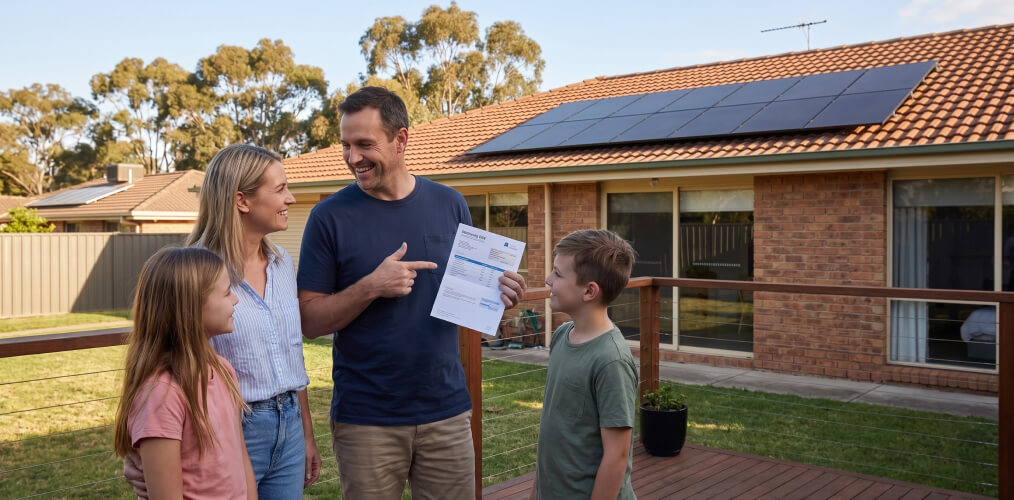
What Changes After You Install Solar Panels?
You’ve seen the panels go up. The installer has been packed up. Your solar panel system is switched on.
Now comes the interesting part:
What actually changes for your home?
Going solar isn't just about putting solar panels on your roof. It's about changing where your household gets some of its electricity and becoming more aware of how your home uses energy.
For Australian homeowners considering solar panels, here's what life after installation can look like.
Your Roof Starts Doing More Than Keeping You Dry
Your roof has always been part of your home.
Now, it can become part of your energy system, too.
Once your solar panels are generating electricity, your home can use that energy to run everyday appliances. Your fridge, lights, washing machine, television, and other household essentials can all use electricity generated from sunlight when sufficient solar generation is available.
That's the simple beauty of residential solar panels:
Sunlight → Solar panels → Electricity → Your home
Your Energy Becomes Easier to Understand
Before solar, you may only think about electricity when the bill arrives.
With a modern solar panel system, you can often monitor your energy generation and see how your system is performing.
Depending on the equipment installed, monitoring platforms can show information such as solar generation and household consumption.
Suddenly, you can see your energy story happening throughout the day.
Morning: Solar generation starts building.
Middle of the day: Production can be stronger when sunlight is available.
Afternoon: Generation gradually changes as sunlight decreases.
Night: Solar panels stop generating, and your home can use electricity from the grid or stored energy if a compatible battery system is installed.
You May Start Thinking Differently About Your Appliances
Here's something many new solar owners notice.
You start paying attention to when you're using electricity.
If your solar panels are producing energy during the day, you may choose to run suitable appliances during those hours rather than automatically leaving everything until later.
It's not about completely changing your routine.
It's simply about making better use of the energy your solar panels in Australia are generating.
Your Home Doesn't Stop Working When Solar Production Drops
Solar generation naturally changes throughout the day.
Cloud cover, season, sunlight levels, shading and the characteristics of your installation can all affect how much electricity your panels produce.
And when your solar system isn't generating enough electricity for your home, a typical grid-connected system can continue drawing electricity from the grid.
So, installing solar panels in Australia doesn't mean your home suddenly has to operate only when the sun is shining.
You Can Start Seeing Your Home's Energy Habits
This is where solar gets genuinely interesting.
Once you can monitor your system, you may start noticing patterns:
We use a lot of electricity in the evening.
Our solar generation is the strongest around the middle of the day.
That appliance uses more energy than I expected.
That awareness can help you understand your household's energy behavior and make more informed decisions about how you use electricity.
And Then You Might Start Thinking About a Battery
After living with solar panels for a while, some homeowners naturally start asking another question:
What happens to the solar energy we don't use straight away?
That's where battery storage comes into conversation.
A battery can store electricity for later use, depending on the system's design and available energy.
Solar panels and batteries therefore do different jobs:
Solar panels are generated.
Batteries store.
Together, they can create a more flexible home energy system.
Solar Isn't a One-Size-Fits-All Solution
Your neighbor's solar system might look completely different from yours and that's perfectly normal.
The right solar panel system depends on factors such as:
- Your household's electricity consumption
- Roof size and layout
- Roof orientation and angle
- Shading
- Location
- Available installation space
- Future energy requirements
That's why professional system design matters.
At Adopt Solar, the goal isn't simply to put panels on a roof. It's about helping Australian homeowners choose a solar solution that fits the way their home uses energy.
What About Cloudy Australian Days?
You don't need perfect sunshine every day for solar panels to generate electricity.
Solar panels can still generate electricity under cloudy conditions, although output can be lower than during stronger sunlight.
Your system's production can naturally change from day to day and across different seasons.
So don't judge your solar panel system by one cloudy afternoon. Look at its performance over time.
The Biggest Change Isn't on Your Roof
The panels may be the most visible part of going solar, but the bigger change happens inside your home.
You begin generating electricity from sunlight.
You can monitor your energy production.
You become more aware when your home uses electricity.
And you have the option to consider battery storage as your energy needs to evolve.
That's what makes solar energy more than just another home upgrade.
It's a different way of thinking about how your home produces and uses power.
Ready to Make Your Home a Solar Home?
If you're considering solar panels in Australia, the first step isn't choosing the biggest system or the most panels.
It understands your home's energy needs.
At Adopt Solar, we help homeowners explore solar solutions designed around their property, energy use and future requirements.
Because the right solar system isn't simply the one that looks good on your roof.
It's the one that works for your home.
Final Thoughts
Solar panels don't ask you to change the way you live.
They simply give your home another way to generate electricity.
And once you start seeing your home as a place that can generate, monitor and manage its own energy, solar starts to feel less like technology on your roof and more like part of the home itself.
Adopt Solar. Do your homework smarter with solar energy.


